
When setting up a new dental clinic or when updating an existing one, it is important to strike a balance between excitement and caution. With a plethora of options available, it is easy to get carried away and purchase items that may look good on paper but are of no real value when it comes to applied practice, which is why it is important to thoughtfully choose your conservative dentistry tools. Ultimately, it is all about achieving comfort and precision, while gaining durable and economically sound tools that will last your practice a long time.
Regardless of whether you are treating a patient with a simple restorative need or a complex cosmetic problem, the right clinical tools will result in a smooth clinical experience and predictable clinical outcome.
Before making a purchase, take a moment to analyze your daily clinical tasks. Do you perform a large number of composite restorations and Class II cavity repairs? Do you treat a lot of children?
The tools you purchase should reflect the complexity of the work you are performing. Your clinical setup will look different depending on whether you are setting up a clinic that performs basic restorations or one that performs high-end cosmetic restorations.
Consider the following questions:
What clinical tasks do I perform most frequently?
Do I require both hand instruments and a rotary setup?
What is my clinical workload, in terms of the number of procedures, on a daily basis?
Once you have considered these items, your purchases will be better aligned to your needs.
Each clinic should have the basic instruments for restorative dentistry that assist in cavity preparation, removal of the decay, and placement of the filling.
Some basic tools that every clinic should have include:
Mouth mirrors and explorers
Tweezers and cotton pliers
Excavators and spoon curettes
Amalgam carriers (if applicable)
Composite placement instruments
Burnishers and condensers
Carvers and sculpting tools
Instruments selected should have a comfortable grip. Instruments that feel heavy and do not have a good non slip surface will decrease the amount of control the dentist has when performing delicate procedures.
Most clinics will use composite materials for their restorations, and so it is a good idea to procure a good composite kit.
In order to achieve a good and smooth placement and shaping, it is essential to have instruments such as the following:
Composite filling instruments (ideally non-stick)
Plastic instruments for contouring
Interproximal carvers
Finishing and polishing strips
Matrix bands and wedges
Light cure accessories
Good contouring instruments are essential for the best shape and tightest contacts, finishing time will be reduced. This will lead to the overall time spent in the clinic to be reduced, leading to increased satisfaction from patients.
Wrist pain often drives dentists to reconsider the role of ergonomics when selecting instruments. Your instruments ideally should support fatigue-free prolonged use.
Choose instruments that have:
Infection control on the other hand, cannot be compromised to help improve your reputation and the trust patients place in your practice. Infection control requires every tool to be sterile every time it is used. As such, every instrument must be built to withstand repeated cycles of autoclaving. Before purchasing infection control instruments, make sure that:
The quality of restorations is judged by the quality of the finish. Therefore, natural, enamel-like finishes can only be achieved by investing in good polishing systems.
The following are worth the consideration:
These small tools tremendously improve the quality of finishing and polishing of restorations.
After all, no matter how good the list of instruments may be, if the quality of the products is poor, it is all irrelevant. Select a supplier that ensures quality of products, quality of manufacturing, quality of packaging, and quality of customer service.
Always check on:
A reliable supplier allows you to build a setup that will last for years.

Learn how to identify genuine dental instrument companies in India by checking certifications, reviews, quality, and trusted supplier signs.
29 Mar 2026
Upgrade your clinic with the right conservative dentistry tools. Learn how to choose high-quality, ergonomic, and sterilization-friendly instruments for better restorations and smoother workflow.
27 Mar 2026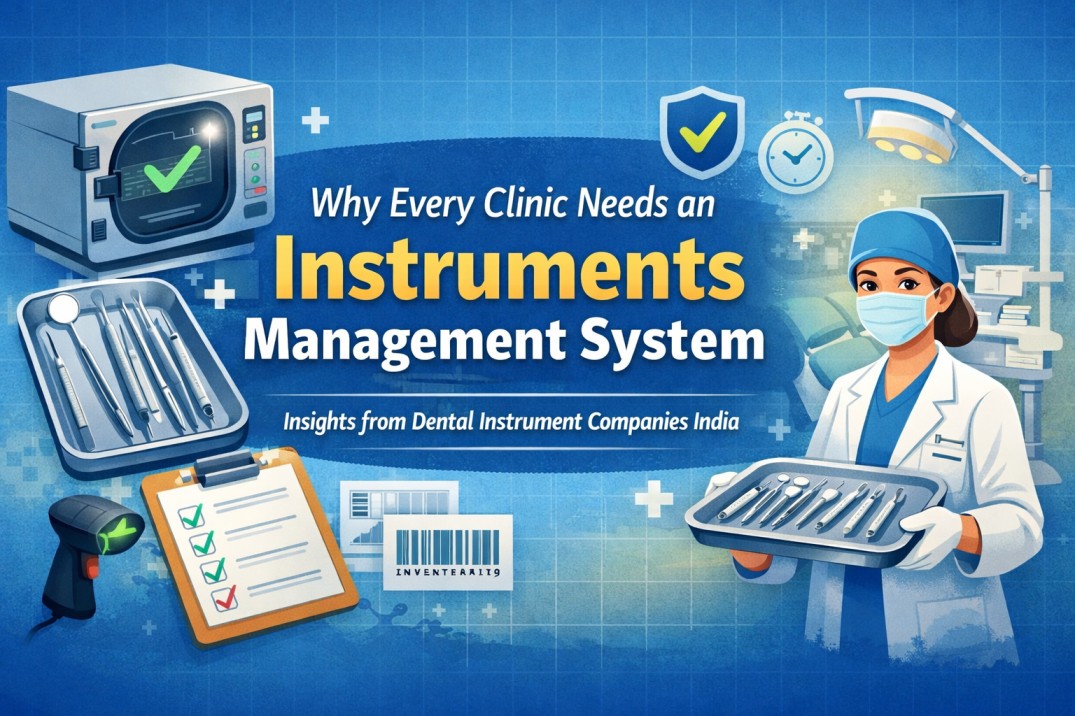
This banner is designed to be clean and professional, particularly for promoting an instruments management system for clinics. It features organized dental tools, images of sterilization and efficiency, and a healthcare worker with instruments. The portrayal of safety and precision, as well as modern clinical practices, makes it suitable for blogs aimed at improving workflow, hygiene, and patient care.
22 Mar 2026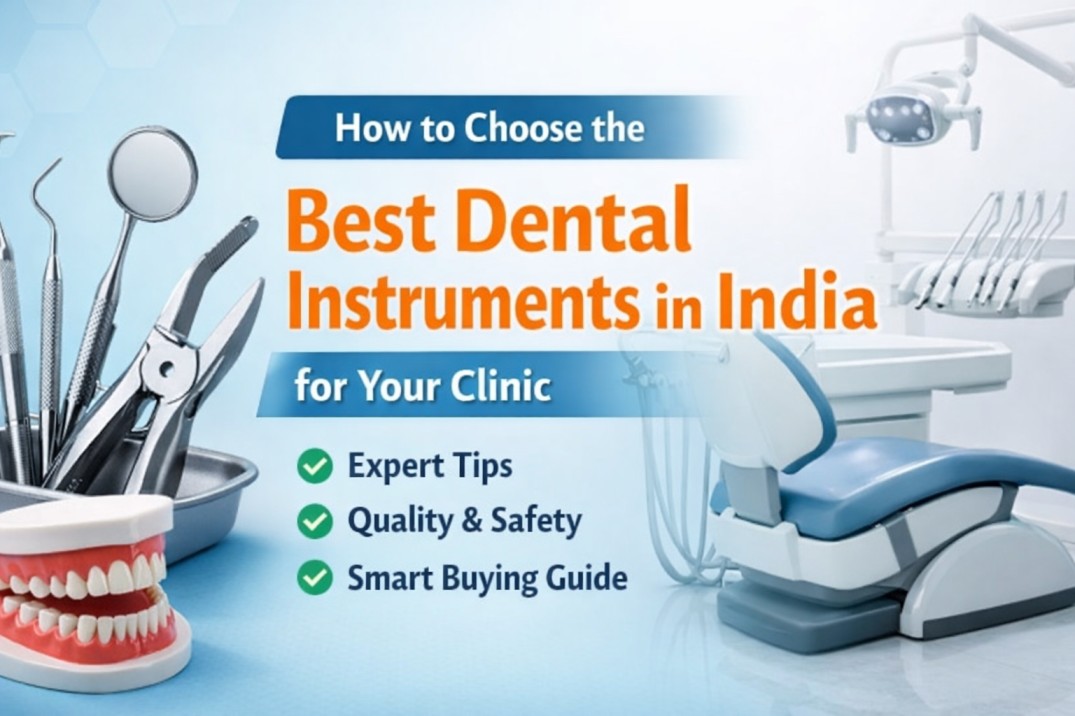
Learn how to choose the best dental instruments in India for your clinic. Practical tips to improve quality, safety, and efficiency.
21 Mar 2026
This guide aimds to help calm your mind so that you can prepare mentally and physically for your oral surgery. Preparing for your surgery can helping it go smoothly and help you to recover more quickly. The steps include learning about the procedure so you can stay healthy.
19 Mar 2026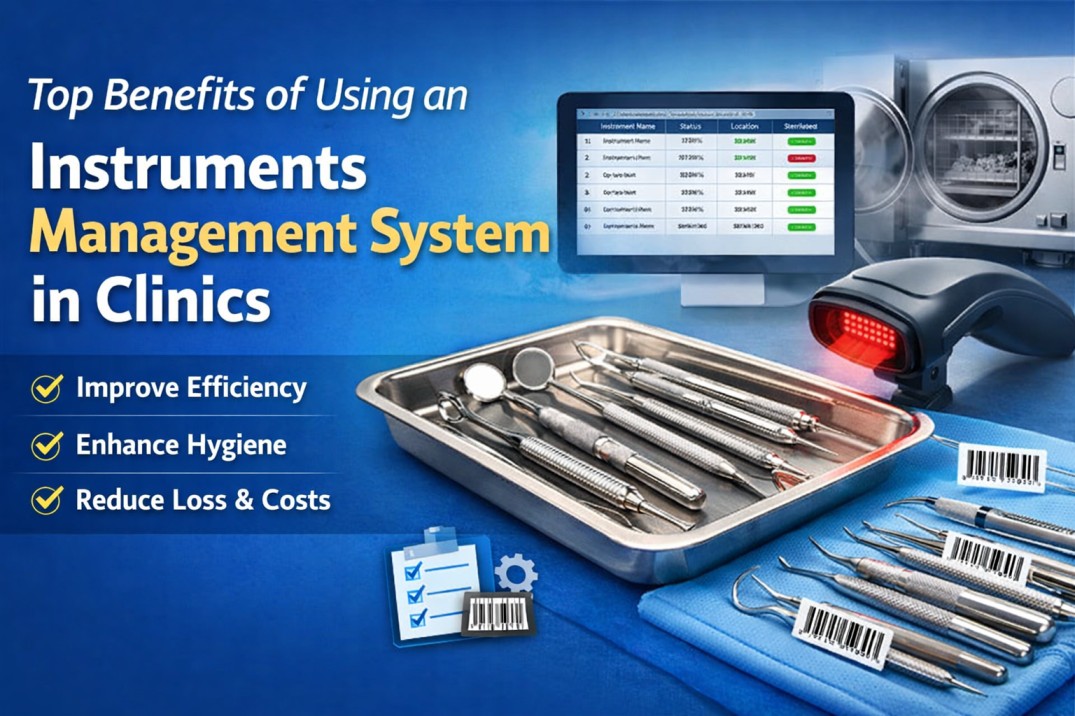
Learn how an Instruments Management System enables clinics to improve their organizational and hygiene control capabilities, reduce instrument loss, and save valuable time. Keeping healthcare personnel equipped with the right instruments is crucial for providing optimal patient care. This system improves daily operations and overall efficiency.
16 Mar 2026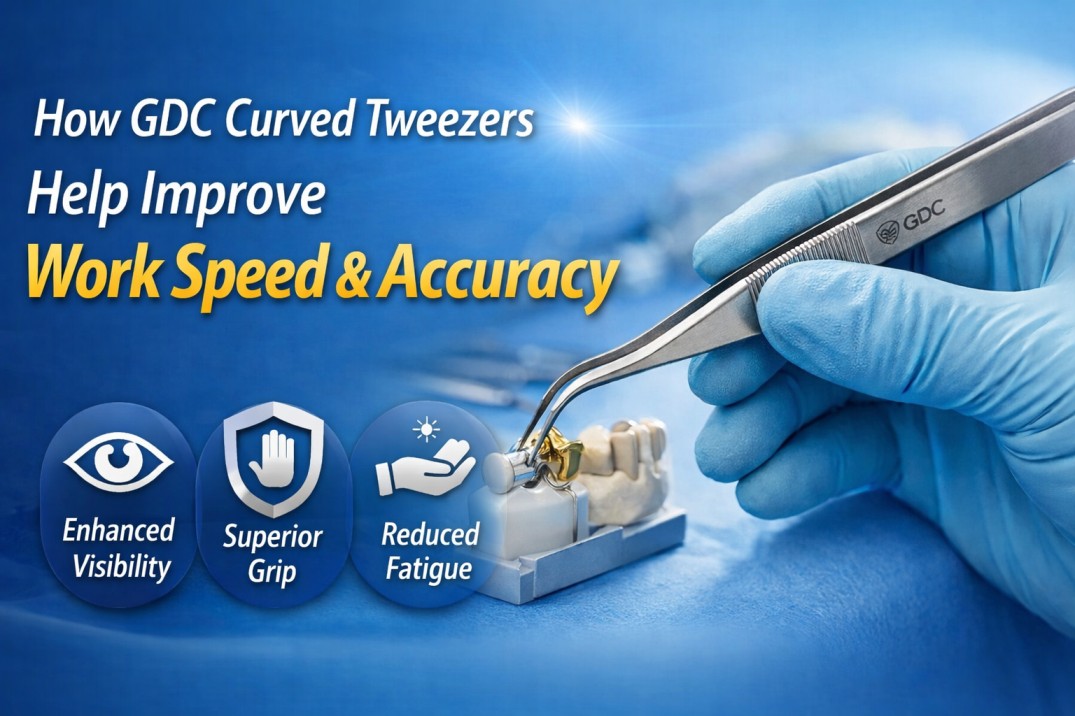
GDC Curved Tweezers are made as a precision instrument for improvement of speed and task accuracy, in relation to the level of detail required. Each tool has an ergonomic design to act as a means of reduction in strain to the user's hand, as well as improvement of visibility and control.
03 Mar 2026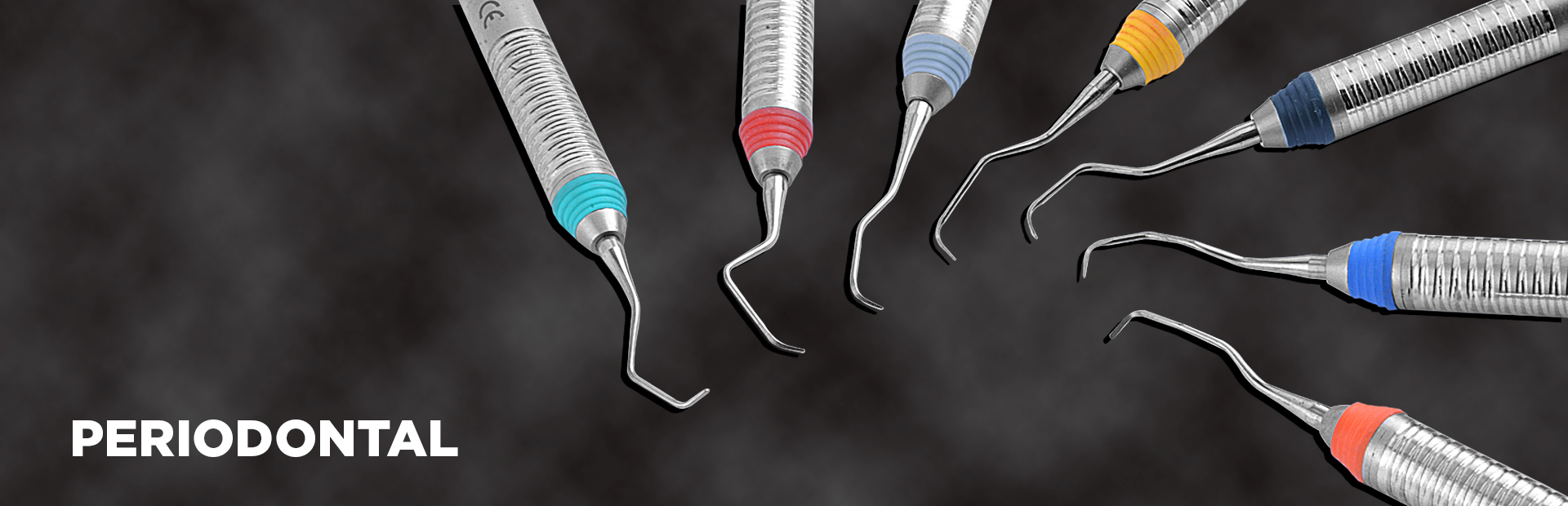
Reliable, durable, and adaptable to the quick changing dental industry tools assist in providing optimal care to patients.
20 Jan 2026 Secure Payment
We ensure secure payment
Secure Payment
We ensure secure payment
 Money Back Guarantee
Money back within 7 days
Money Back Guarantee
Money back within 7 days
 Customer Support
Call or email us 24/7
Customer Support
Call or email us 24/7